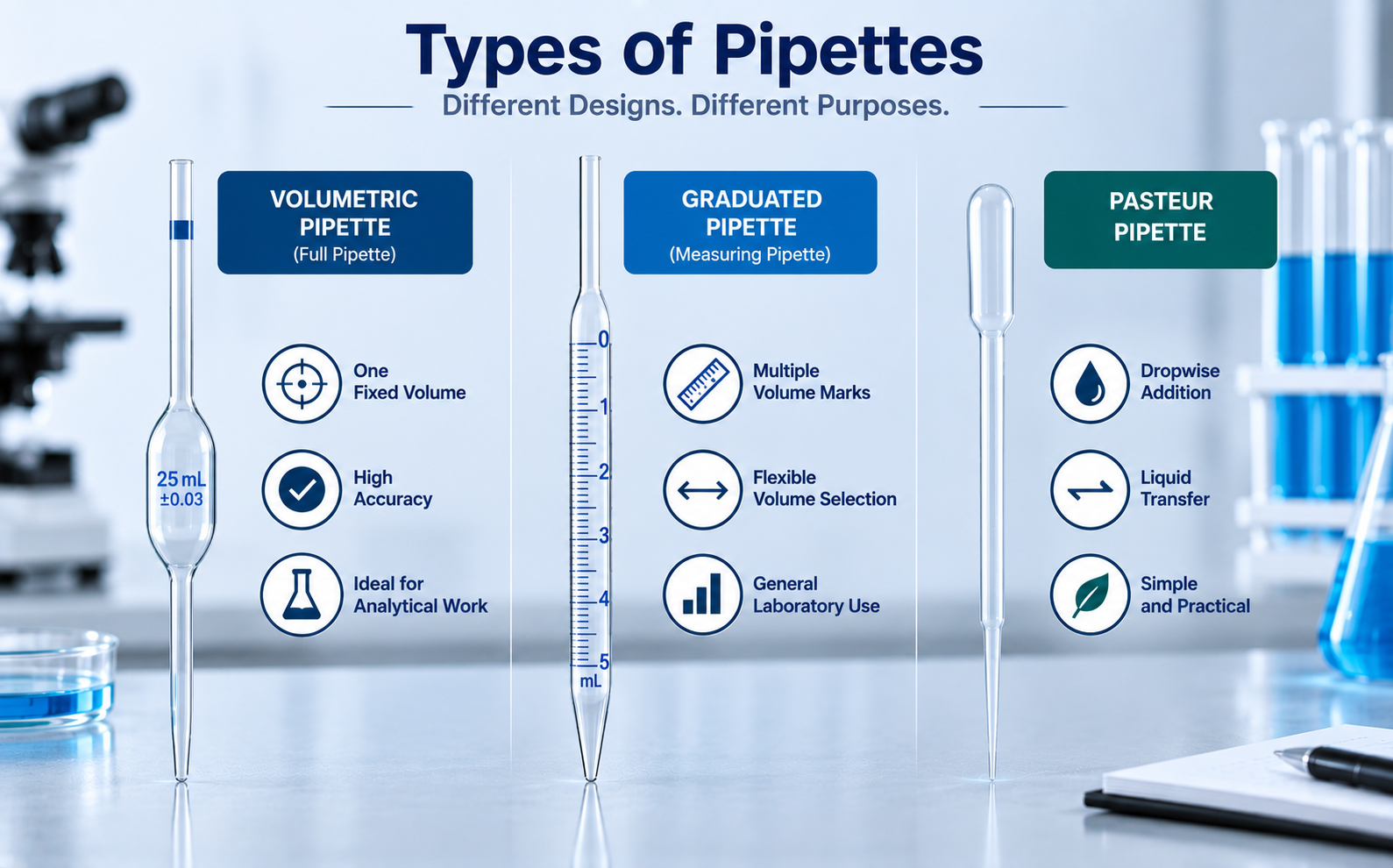
Laboratories combine chemicals, glassware, electrical equipment, heat and a variety of analytical procedures. Laboratory safety therefore involves much more than simply wearing personal protective equipment. A safe laboratory requires proper chemical storage, appropriate material selection, safe equipment operation, regular maintenance and emergency preparedness.

1. Use Appropriate Personal Protective Equipment
PPE should be selected according to the hazards of the task.
Depending on the application, this may include:
- laboratory coat
- safety glasses
- appropriate chemical-resistant gloves
- face protection
- closed footwear
- suitable respiratory protection when required
No single glove material is compatible with every chemical, so chemical resistance should be considered when selecting gloves.
2. Review the SDS Before Using Chemicals
Before working with a chemical, review its Safety Data Sheet (SDS).
An SDS normally provides information about:
- hazard identification
- first-aid measures
- firefighting measures
- accidental release measures
- handling and storage
- exposure controls and personal protection
- physical and chemical properties
- stability and reactivity
Both the product label and current SDS should be considered.
3. Store Chemicals According to Compatibility
Chemicals should not be stored solely in alphabetical order.
Acids, bases, oxidizers, flammable liquids, water-reactive substances and other incompatible materials may require separation.
Improper storage of incompatible chemicals can increase the risk of fire, toxic gas formation or dangerous reactions.
4. Label Chemical Containers Properly
Chemicals and prepared solutions should always be identifiable.
Depending on laboratory procedures, labels may include:
- chemical or solution name
- concentration
- preparation date
- relevant hazard information
- responsible user or laboratory information
Do not use chemicals from unidentified containers.
5. Choose Chemically Compatible Materials
Containers, bottles, tubing, seals and other components that contact chemicals must be made from compatible materials.
Common laboratory materials include:
- borosilicate glass
- PP
- PE / HDPE / LDPE
- PTFE
- stainless steel
No material is suitable for every chemical and operating condition.
For example, hydrofluoric acid (HF) is incompatible with glass, while plastic compatibility with solvents depends on polymer type, concentration, temperature and exposure time.
6. Inspect Glassware Before Use
Cracked, chipped or significantly scratched laboratory glassware should not be used.
Damage is particularly important in applications involving:
- vacuum
- pressure
- elevated temperatures
- thermal shock
Remember that hot glass can look exactly like cold glass.
7. Use Fume Hoods Correctly
Processes involving volatile chemicals or hazardous vapours should be performed in an appropriate fume hood when required.
Avoid unnecessary items that interfere with airflow and follow the operating instructions for the hood.
A fume hood should not normally be used as a chemical storage cabinet.
8. Operate Laboratory Equipment Safely
Centrifuges, ovens, magnetic stirrers, heating equipment, spectrophotometers and other instruments should be operated by trained personnel according to manufacturer instructions.
Pay particular attention to:
- electrical connections
- maximum temperature
- maximum speed
- sample capacity
- compatible accessories
- maintenance and calibration
9. Balance Centrifuges Correctly
Centrifuge tubes must be properly balanced within the rotor.
Incorrect loading can cause excessive vibration, equipment damage, tube failure or sample spills.
Tubes must also be suitable for the required RCF and operating conditions.
10. Take Care During Heating
Glassware and containers must be suitable for the intended temperature.
Uncontrolled heating of a closed system can generate dangerous pressure.
When working with flammable solvents, avoid open flames and inappropriate ignition sources and use suitable controlled heating equipment.
11. Never Pipette by Mouth
Chemicals should never be pipetted by mouth.
Use appropriate equipment such as:
- pipette fillers
- pipette pumps
- pipette controllers
- automatic pipettes
This simple rule significantly reduces the risk of accidental chemical exposure.
12. Be Prepared for Chemical Spills
Laboratories should have established procedures for chemical spills.
Depending on the risk assessment, appropriate equipment may include:
- spill kits
- absorbent materials
- chemical waste containers
- eyewash stations
- emergency safety showers
Large or particularly hazardous spills should be handled according to the laboratory's emergency procedures.
13. Separate Laboratory Waste Correctly
Not all chemical waste should be collected in the same container.
Organic solvents, acidic or alkaline waste, heavy-metal-containing solutions, contaminated solids and broken glass may require separate waste streams.
Mixing incompatible wastes can create dangerous reactions.
14. Know Your Emergency Equipment
Everyone working in the laboratory should know the location and appropriate use of:
- fire extinguishers
- eyewash stations
- emergency safety showers
- first-aid equipment
- emergency exits
- alarm systems
Emergency procedures should be understood before an incident occurs.
Quick Laboratory Safety Checklist
| Check | Basic Rule |
|---|---|
| PPE | Select equipment appropriate to the hazard |
| SDS | Review before working with chemicals |
| Storage | Separate incompatible chemicals |
| Labelling | Never use unidentified chemicals |
| Glassware | Inspect for damage |
| Equipment | Follow manufacturer instructions |
| Heating | Consider pressure and flammability |
| Waste | Segregate according to compatibility |
| Emergency | Know equipment locations and procedures |
Conclusion
Laboratory safety cannot be achieved through a single rule or piece of equipment. Safe laboratory work requires a combination of proper chemical management, appropriate PPE, safe equipment operation, correct material selection and emergency preparedness.
Assessing hazards before each procedure and understanding the chemicals, instruments and materials being used helps protect personnel while also supporting the reliability of samples, equipment and laboratory operations.